
MARIASOLE
New light among the vineyards
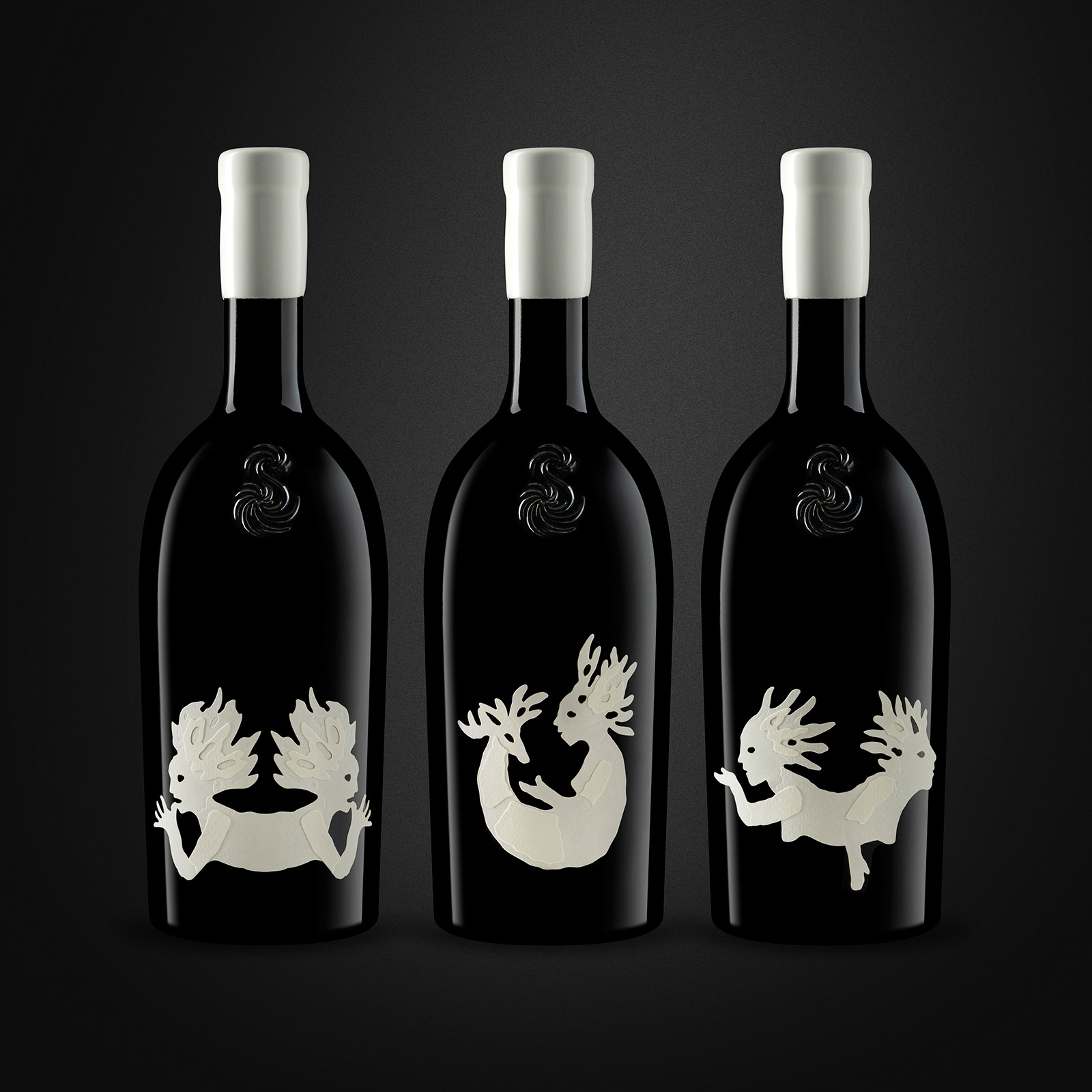
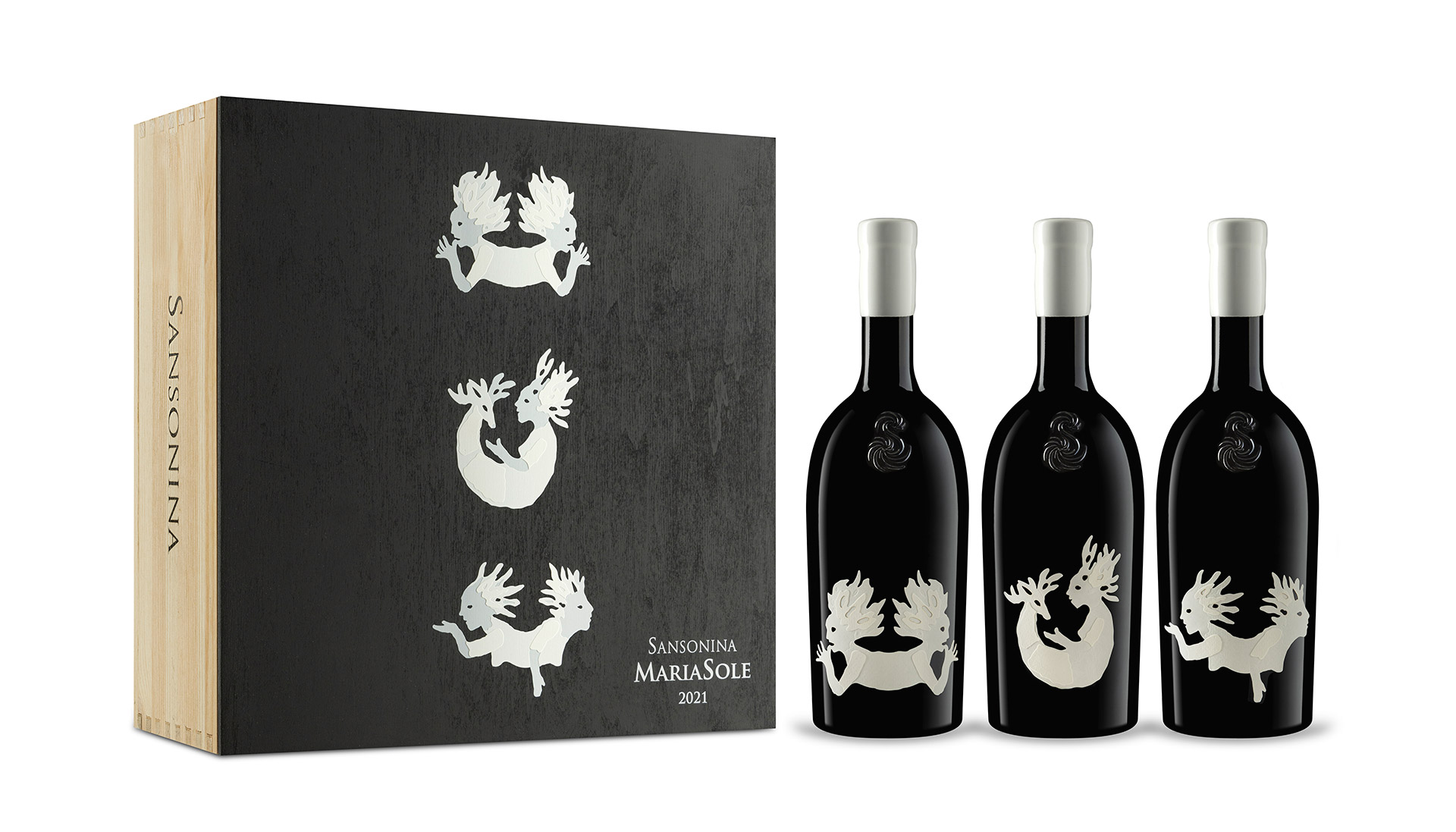
MariaSole is born as a tribute to the life that arrives, to the energy that bursts forth, to the warmth of a name that is already light. It is 2021 when little MariaSole, daughter of Nadia Zenato, is born. And in that very same special year, this cuvée takes shape, conceived to preserve the wonder of birth and transform it into wine. It is a promise, a caress, a future in fermentation. Made of 67 percent Riesling Renano and the remainder Turbiana di Lugana, MariaSole presents itself with a delicate golden yellow color and an elegant and deep aromatic profile: notes of citrus, acacia flowers and a light hint of vanilla, which envelops and captivates. On the palate it is rich and mineral, with nuances of hazelnut butter that dance until the finish, long and persistent. It is a wine with soul, destined to refine over time and to grow, just like its inspiration. The bottle itself is also part of the story. To give it an authentic face, the artist Claudia Losi was invited to interpret the essence of MariaSole. From her vision three animule were born: white, pure and mysterious forms, inspired by gestures, sounds and fragments collected during a deep encounter with our world.
SANSONINA
A deeply feminine secret
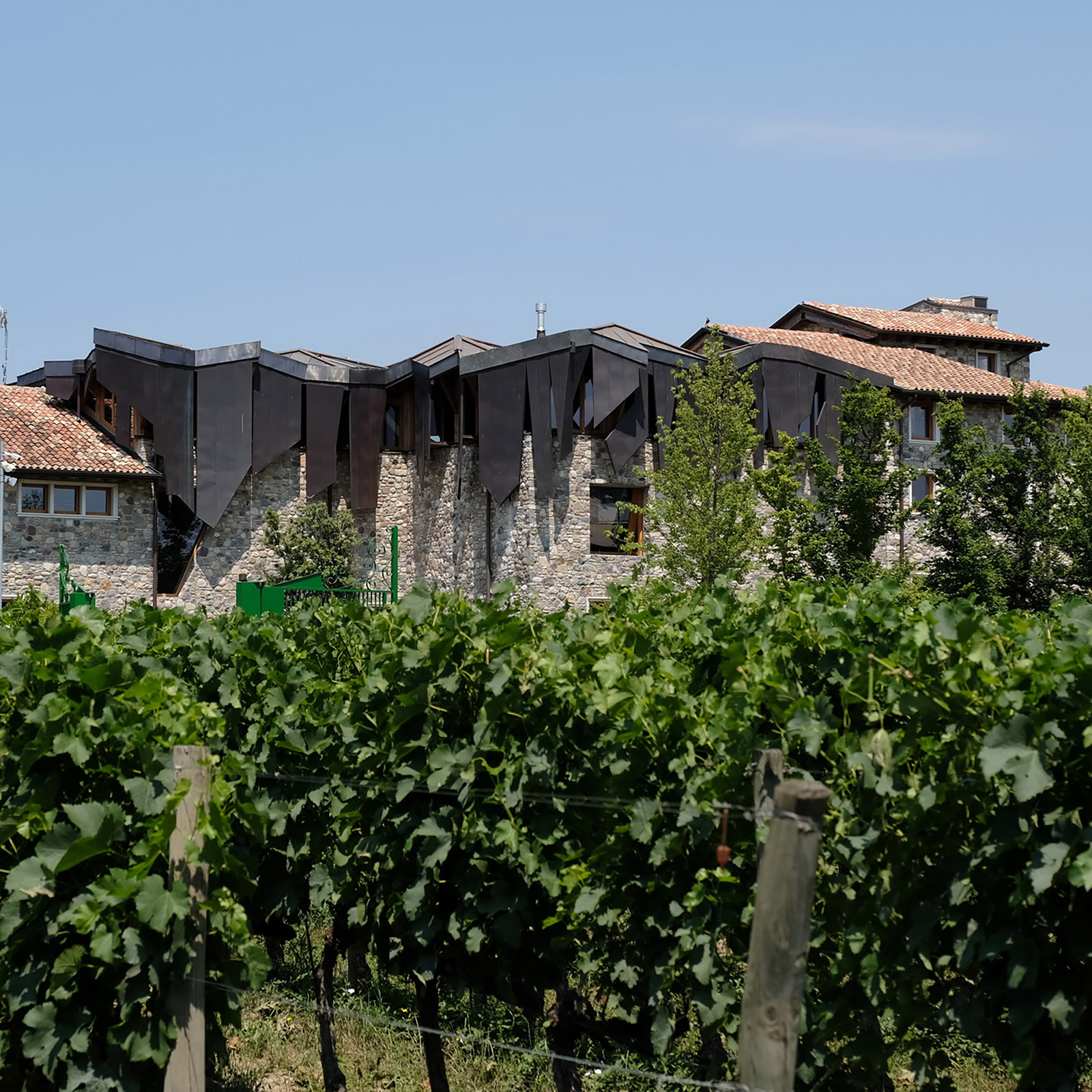
There is an energy that vibrates strongly among the vineyards of Sansonina. It is the one born from the meeting between strength and sweetness, between past and future, between the courage to dare and the grace of those who know how to listen. The name comes from Samson, the powerful hero with a deeply feminine secret: his long hair. It is there, in the balance between opposites, that our identity is born. Just a few steps from Peschiera del Garda, in an eighteenth century farmhouse, a new atmosphere can now be felt. The restyling designed by architect Bò has transformed the winery into a place that tells a story: essential forms, soft lines, light that enters and caresses. But the real revolution begins in the soil. Since 2023 we have been an organic winery, thanks to the vision of Nadia Zenato and our desire to take care of the world that hosts us. We cultivate in harmony with nature, without forcing it, with respect, with love.
When the wild is inherited
To inaugurate the wine MariaSole, the Italian artist Claudia Losi imagines a visual narrative in three acts. This triptych represents the Anímule, hybrid beings half animal, half human, fantastical creatures that echo the spirits of the woods, the sharp intuition of folkloric beings and the wisdom of Mediterranean nymphs. The Anímule are creatures made of paper that the artist has been tearing and assembling since 2020 during a series of workshops aimed at children and adults of all ages. The artist and the participants, without ever using scissors, slowly tear the paper, measuring the strength of their fingers to guide the gesture and gradually bring out the shape. Losi has evoked these creatures through performances of shadow, sound and voice in very different contexts, in Italy and abroad (CDMX, Mexico, 2023): from museums (Museo della Montagna, Turin, 2025) to frescoed palaces (Camera dei Giganti, Palazzo Te, Mantua, 2024), up to schools and the forest.
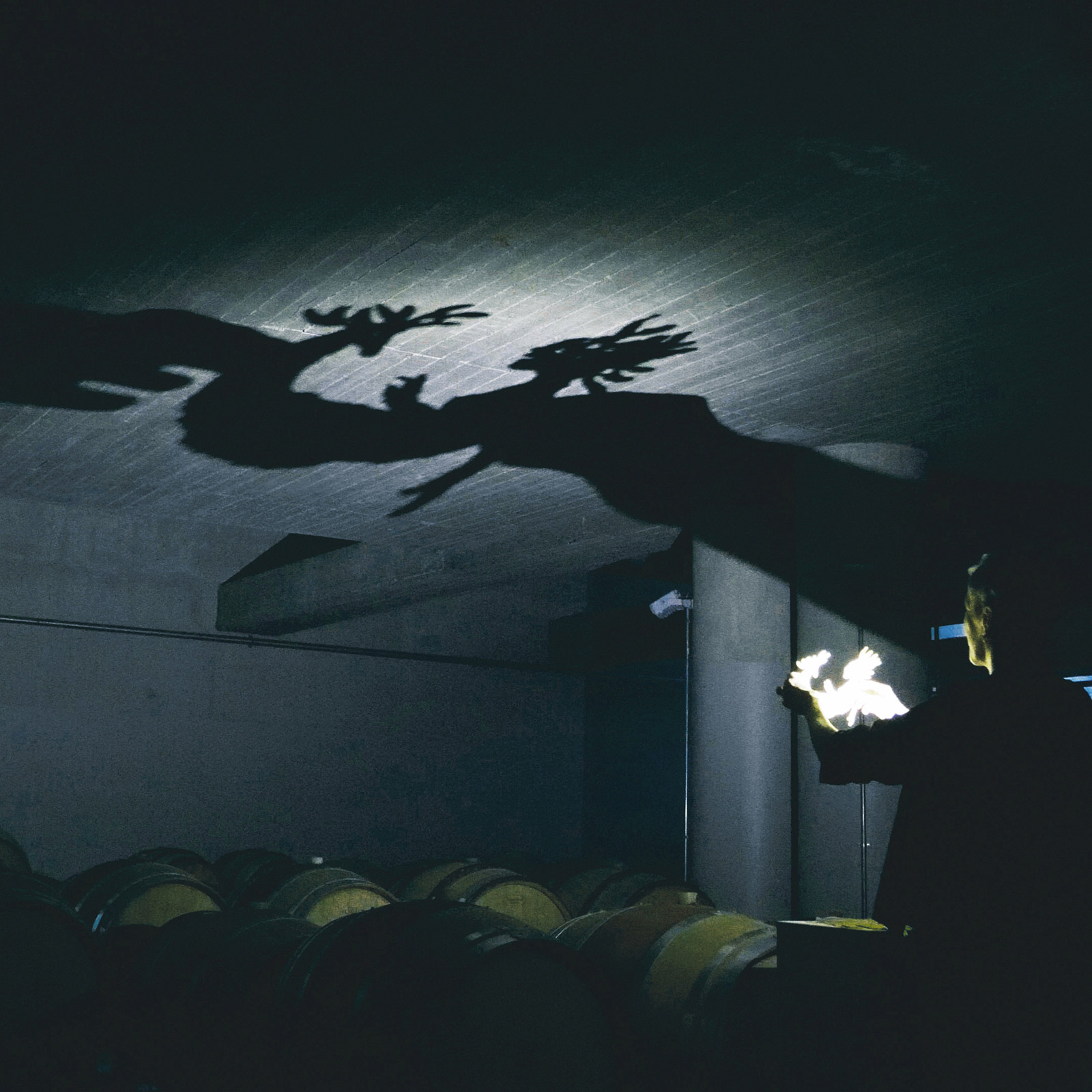
For the collaboration with Sansonina, the artist led an educational workshop in the winery and on the occasion of the launch of MariaSole, created a site specific performance. The Anímule that inhabit the bottles of MariaSole are conceived as guardians of an ancient wisdom, where the human being is not a binary opposed to nature, but a tiny fragment of a single organism. To evoke this balance, the artist seems to draw inspiration from the myth of the goddess Diana, deity of the woods and of the hunt, and from her Greek counterpart Artemis, goddess of the woods and of the moon, to imagine a new iconography, an alternative version of the wild and of the process of metamorphosis.
The first scene portrays a deer and an Anímula in the act of looking at each other, of getting to know each other or, as the open hand facing forward might suggest, in the act of caressing the animal’s nose. In the version of Diana’s iconography proposed by Losi, the ancient myth is stripped of its cruelty: the goddess is no longer a huntress, she does not wield weapons, she chooses a gentle encounter with the animal. Compared to the ancient myth, the artist’s interpretation recalls the Renaissance and Baroque tradition, where the animal is no longer prey but a sacred companion, celebrated at the goddess’s side. The goddess does not subdue nature, she welcomes it, incorporates it and becomes the guardian of a new pact with the living, where a non predatory feminine replaces the language of hunting with that of complicity. In Losi’s representation it seems impossible to distinguish prey from predator, who is cared for and who cares, in a continuous back and forth that rejects fixed roles and invites us to reflect on the mutability of our positions.
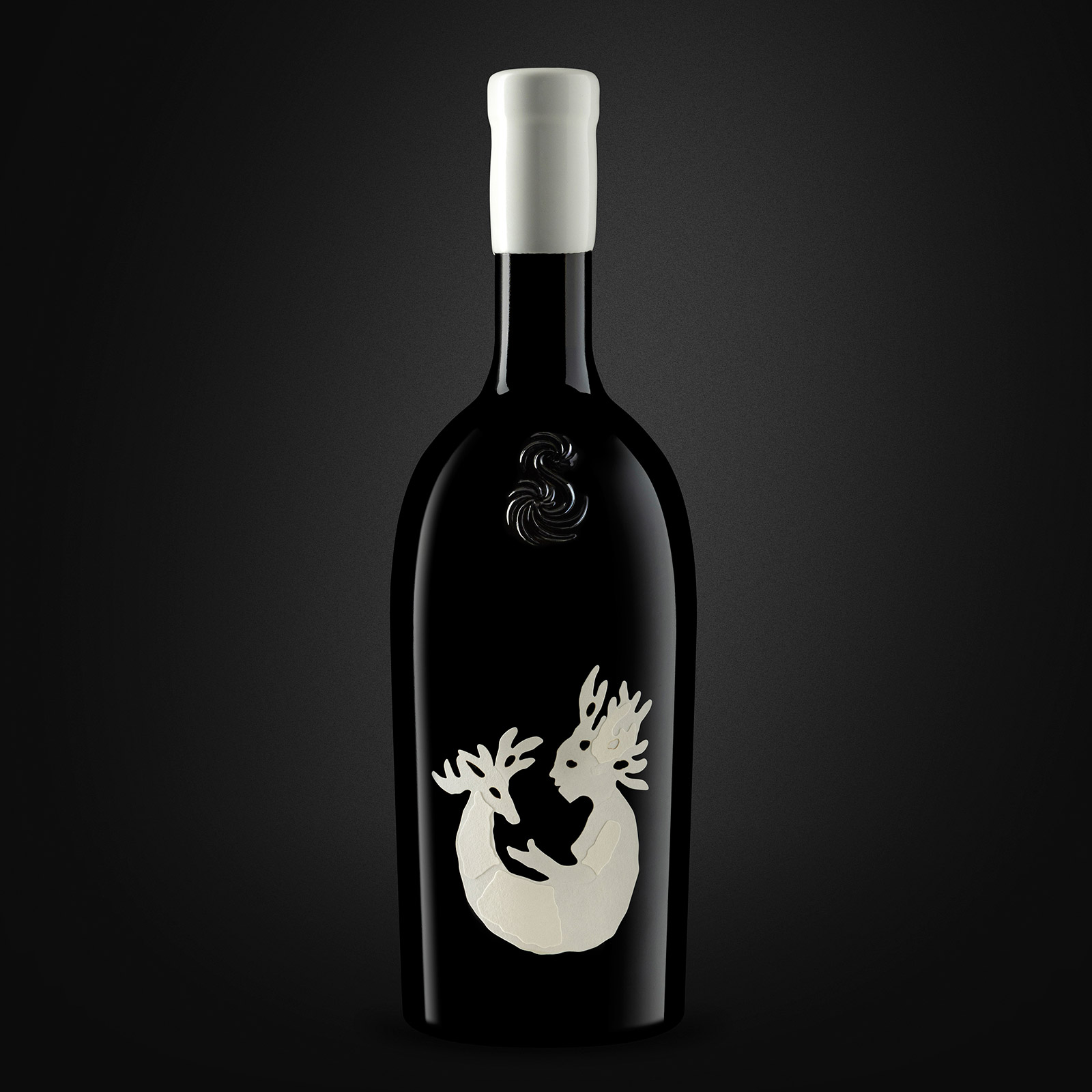
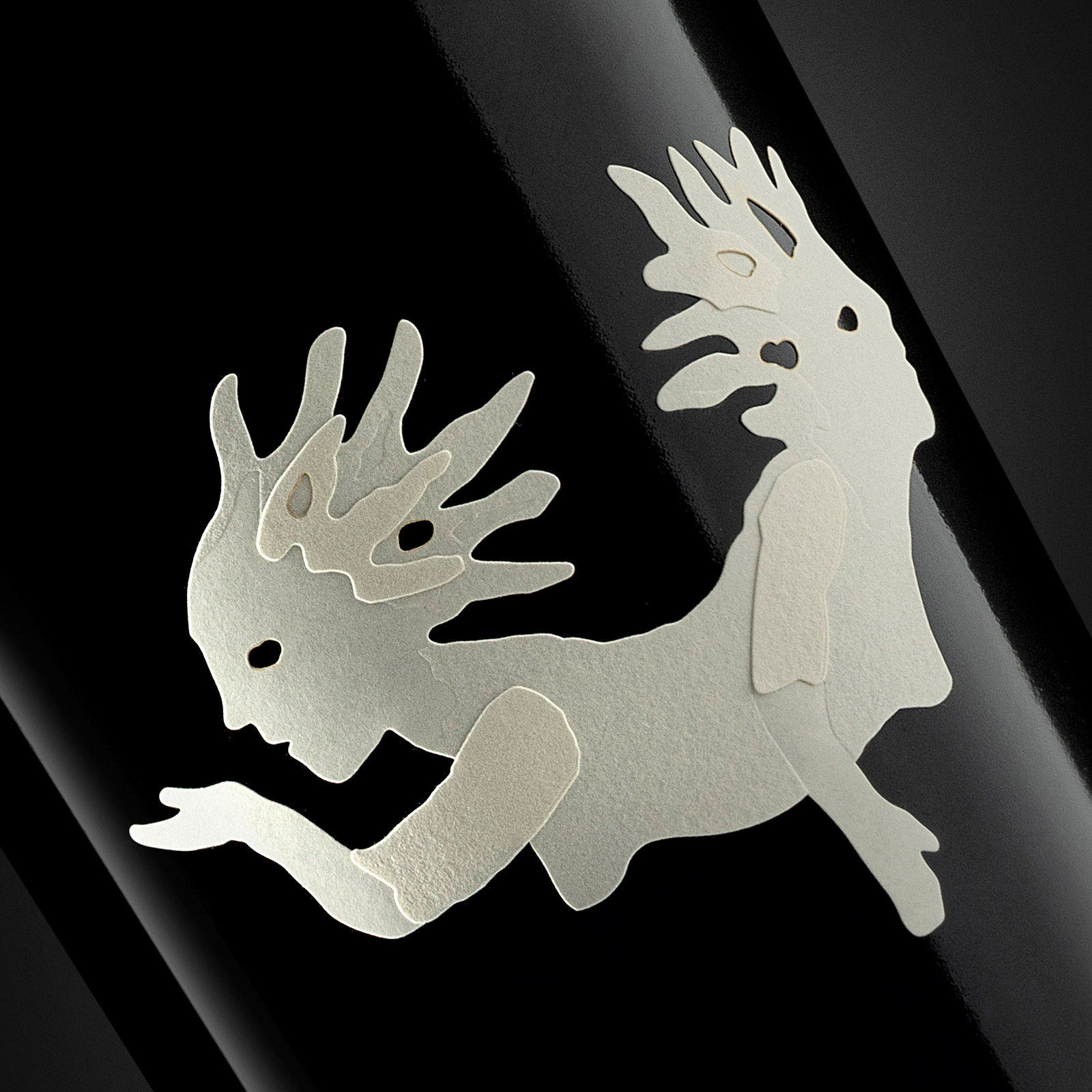
The second scene depicts two female figures, caught in the act of turning their backs to each other. Both have majestic hair, one has flaming hair and is caught in the moment of blowing a kiss, while the other has deer antlers in place of hair and a hand turned outward. Here the flaming hair and the deer antlers are not simple ornaments, but identity traits of a hybrid body, where the wild is not tamed but welcomed. From the serpents of Medusa to the Kurdish Shahmaran, it is in the hair that feminine strength has always manifested itself, and it is on the hair that an irreverent and strongly generative aesthetic imagination is concentrated.
In the third scene two female figures return as protagonists and the triptych opens to a playful register: two twin little spirits, with flaming hair, stick out their tongues. The energy of fire is not a threat, or a force to be tamed, but a game and the anímule disturb the air with the lightness of the mischievous, a vitality that burns without destroying, that warms and entertains, showing how the feminine can express itself not only in solemn care, but also in the freedom of laughter and play.
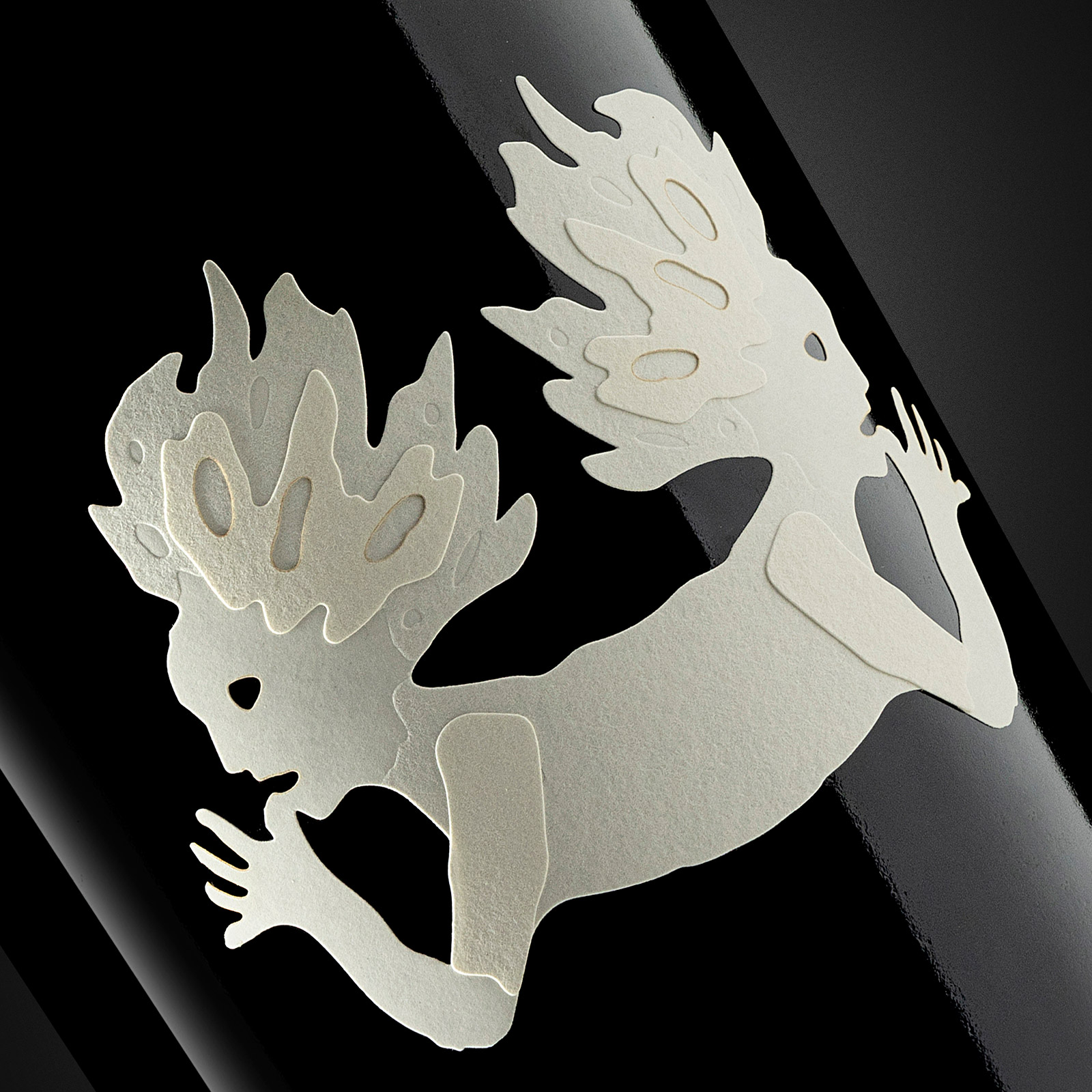
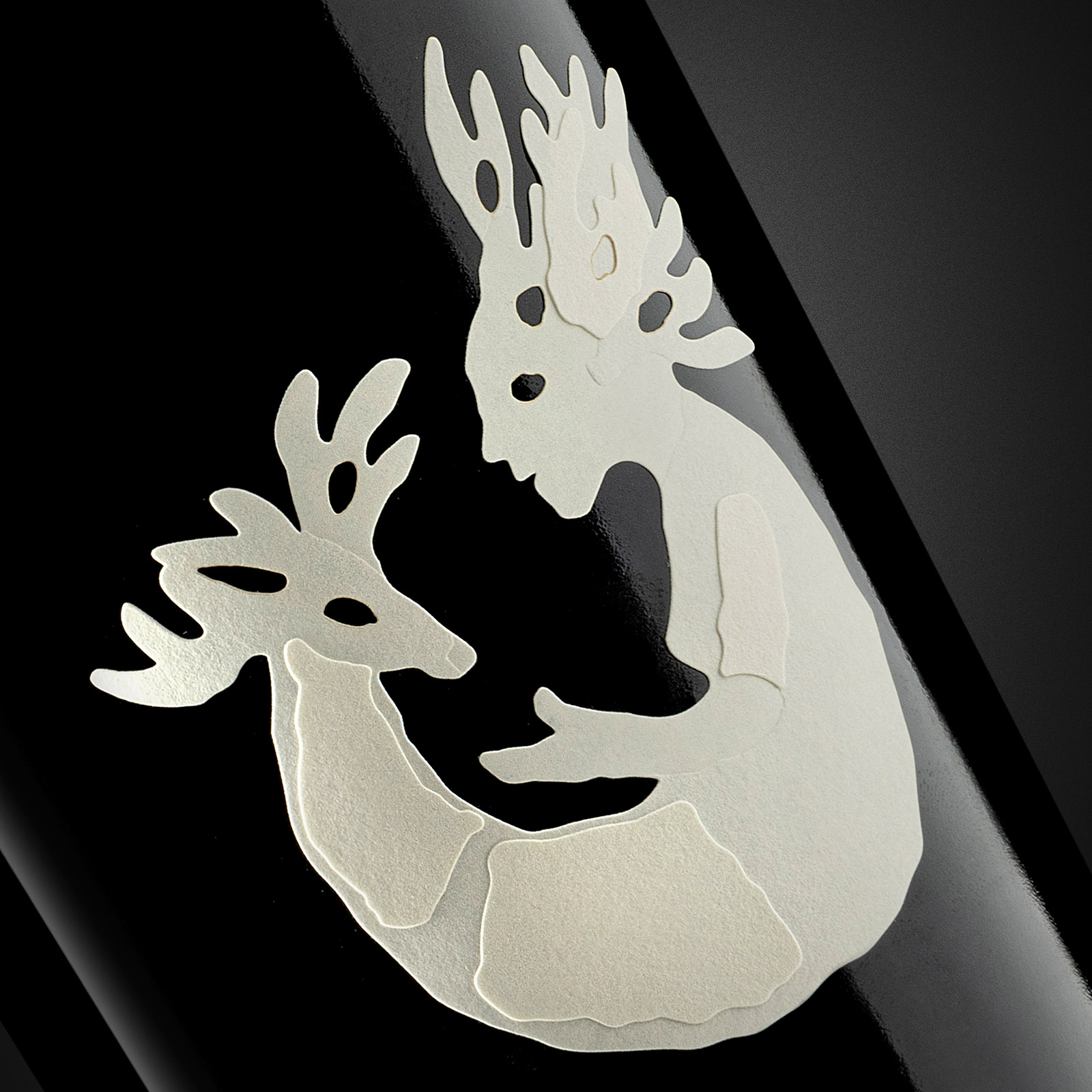
Losi’s triptych dedicated to the wild and to the iconography of Diana (or Artemis) sheds the violent components of human domination to become an emblem of respect and reconciliation between different species. Losi rethinks the transmission of the wild and its cultural inheritance by reshaping the ancient myth, transforming its meaning and its moral and contributing to modifying the values that we internalize from an early age. From Diana to Artemis, passing through the deer and the flaming hair, everything becomes a sign of a solar and never aggressive feminine strength. The Anímule for the MariaSole bottle therefore celebrate a feminine that is grounded and courageous, that pulses, laughs and continues to exist within the tradition of the Sansonina winery.

Cookie Policy
Azienda Agricola La Sansonina di Prospero Carla e C.S.S. - Località Sansonina - 37019 Peschiera del Garda - Verona - Italia
Telefono e Fax +39 045 755 1905 - info@sansonina.it - Partita IVA 02681460230